

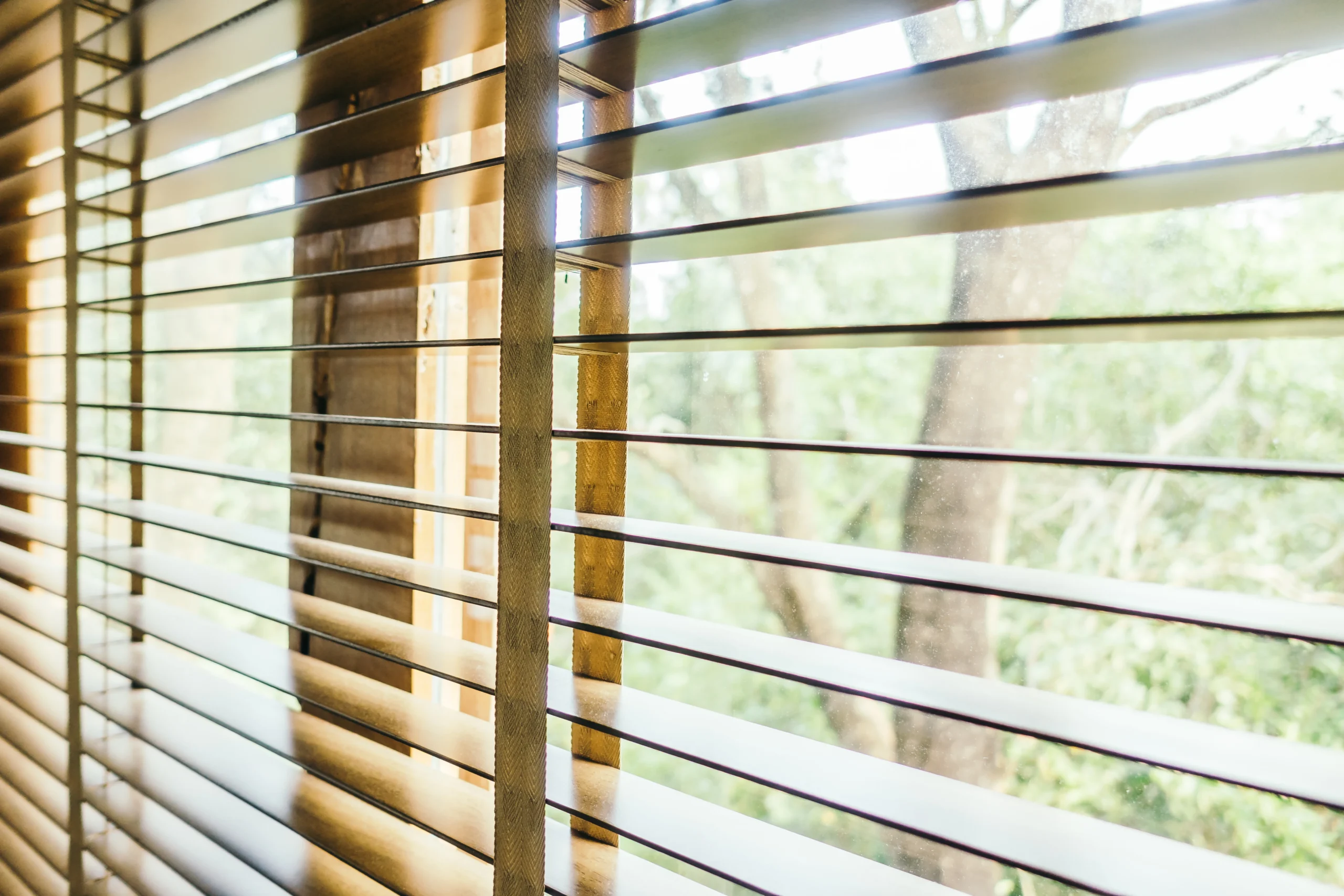
DIY shutters have become one of the most practical and long-lasting home upgrades for UK homeowners in 2026. They offer a balance of style, control, and value that many traditional window coverings simply cannot match. As more people look for ways to improve their homes without unnecessary costs, DIY shutters stand out as a sensible and well-planned choice.
Unlike curtains or blinds, shutters are a fixed feature. Once installed, they become part of the window itself. This means better light control, improved privacy, and a clean, built-in look that works in both modern and traditional homes. For homeowners who want a long-term solution rather than a temporary update, DIY shutters are worth serious consideration.
At Shutters365, homeowners across the UK can design and order made-to-measure shutters online and fit them themselves using clear instructions. This approach keeps costs under control while still delivering the same finished result you would expect from professionally fitted shutters.
DIY shutters are custom-made window shutters that you measure and install yourself. They are built to match your exact window sizes and are supplied ready for fitting at home. The design, materials, and finish are the same as professionally installed shutters—the main difference is that you handle the installation.
This does not mean compromising on quality. DIY shutters are still made to fit your windows precisely and are designed to last for years. For added confidence, many homeowners choose DIY Shutter Samples before ordering, ensuring the finish and material feel right. Once fitted, they function in the same way as any other shutter system, allowing you to adjust light, airflow, and privacy throughout the day.
For many homeowners, DIY shutters make sense because they remove unnecessary steps and costs while keeping the product itself at a high standard.
Homes in the UK are more varied than ever. From compact city flats to large family homes and period properties, window sizes and layouts differ widely. DIY shutters work well across these different settings because they are made to measure rather than mass-produced.
In 2026, homeowners are also more informed. People want to understand what they are buying and why it works. DIY shutters appeal to this mindset because the process is transparent—from measuring and design to delivery and fitting making this a DIY Shutter Guide for Easy Installation rather than a confusing or hidden process..
Another reason DIY shutters continue to grow in popularity is practicality. They suit everyday living. They are easy to clean, durable, and designed for daily use rather than occasional decoration.
One of the biggest reasons people choose DIY shutters is cost control. Traditional shutter companies often include showroom visits, measuring services, and fitting charges. While these services can be useful, they significantly increase the final price.
DIY shutters remove these added layers. You pay for the shutters themselves, not for multiple service visits. This allows more homeowners to access high-quality shutters without stretching their budget.
At Shutters365, prices start from £127 per square metre, making DIY shutters one of the more accessible premium window solutions in the UK. This makes them suitable for single rooms as well as full-house projects
Choosing the right shutter material matters, especially in the UK, where humidity, temperature changes, and daily wear are common.
DIY shutters from Shutters365 are available in materials designed for real living conditions:
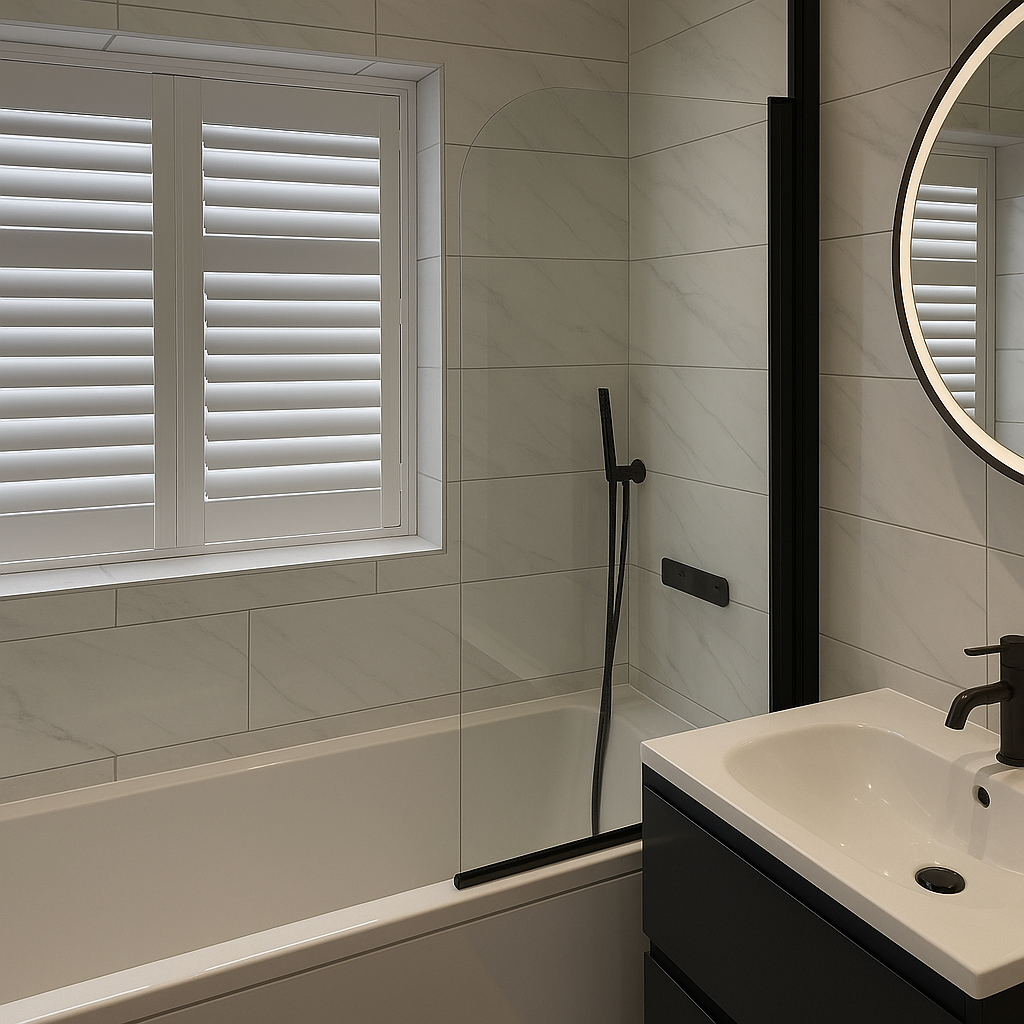
This is a popular option for kitchens and bathrooms. It is water-resistant, easy to clean, and holds its shape well in humid environments. For rooms where moisture is present, this material offers long-term reliability.
Paulownia is a lightweight natural wood that works well for larger windows. Its stability makes it easier to handle during installation while still offering a natural finish.
Basswood is known for its smooth texture and solid feel. It is often chosen for living rooms, bedrooms, and front-facing windows where appearance is a priority.
Each material serves a specific purpose, helping homeowners choose shutters that suit both the room and daily use.
Measuring is often the part people worry about most, but it is simpler than many expect.
DIY shutter measuring involves checking:
Clear measuring guides explain how to take these measurements step by step. Most homeowners only need a tape measure and a little time. The instructions focus on accuracy rather than speed, which helps reduce mistakes.
For added confidence, support is available if you need clarification before placing an order.
DIY shutters are designed so homeowners can fit them without specialist tools or experience. Installation usually involves fixing a frame to the window recess or wall and then attaching the shutter panels.
The process is broken down into manageable steps:
Many people complete installation in a single afternoon. Taking your time and following the instructions carefully usually leads to a clean, professional-looking result.
DIY shutters are available in several styles, each offering different benefits depending on the room and personal preference.
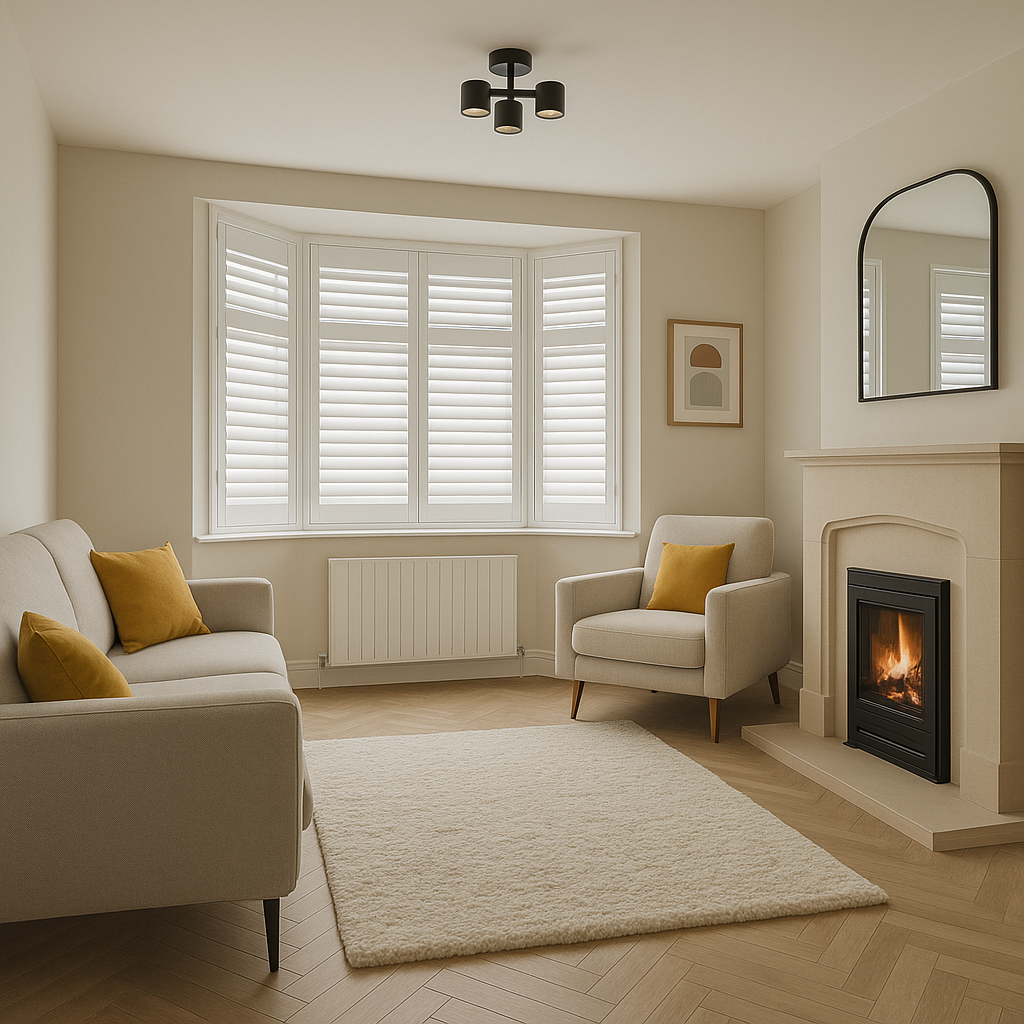
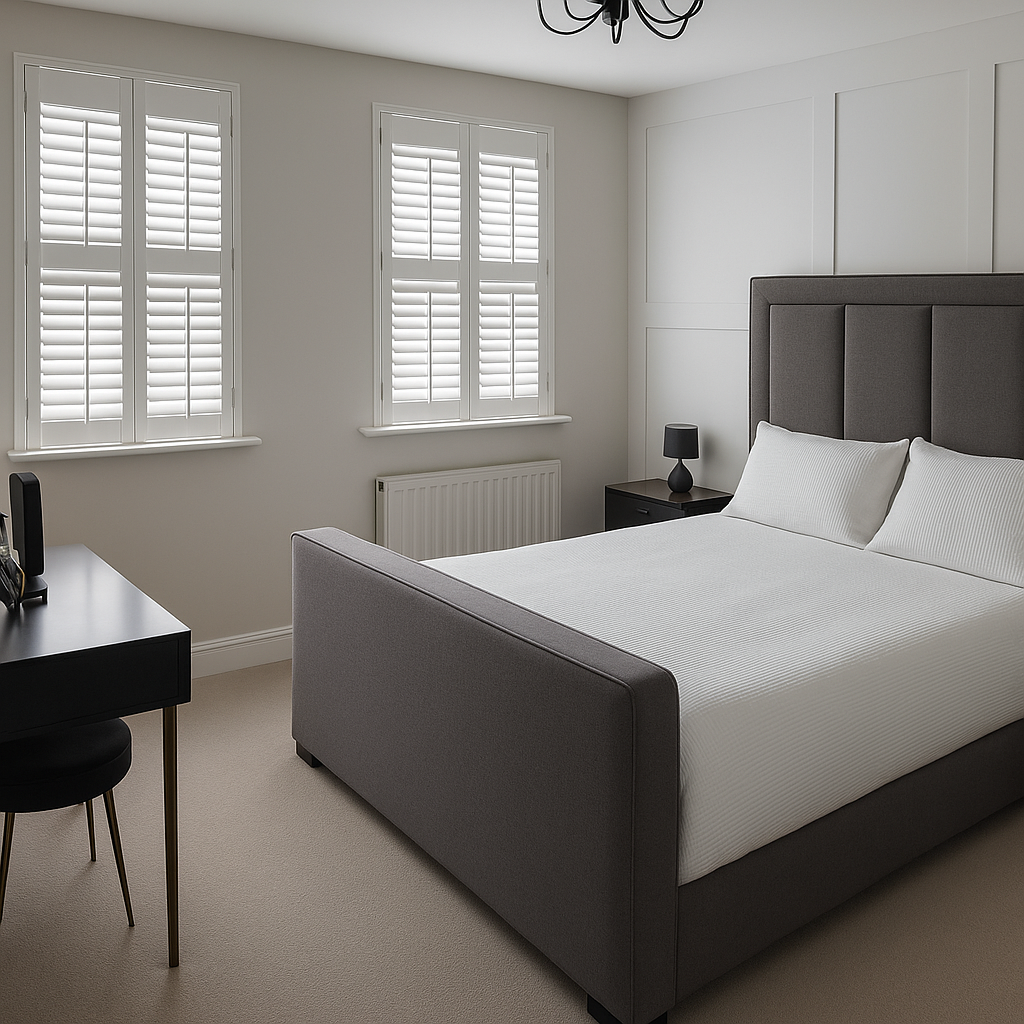
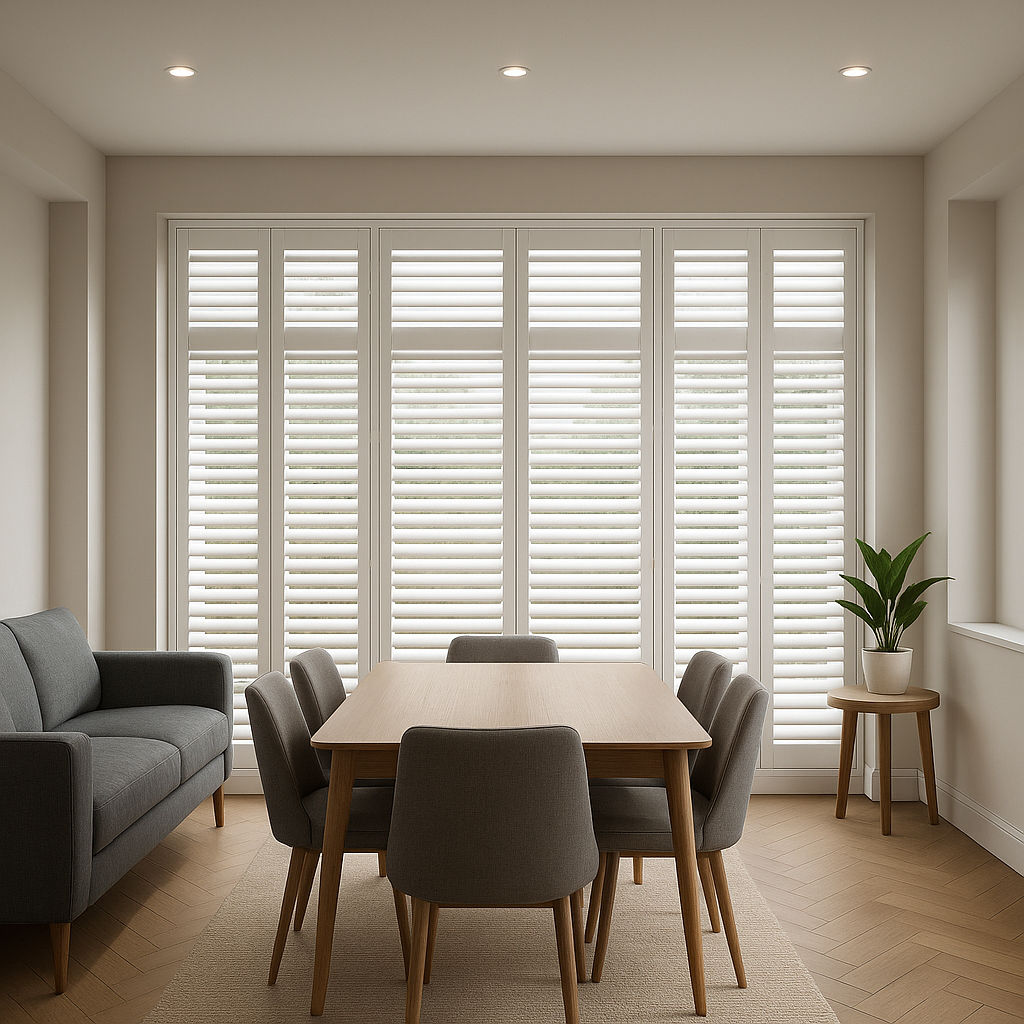
These cover the entire window and offer a clean, uniform look. They work well in bedrooms and living rooms where full light control and privacy are important.
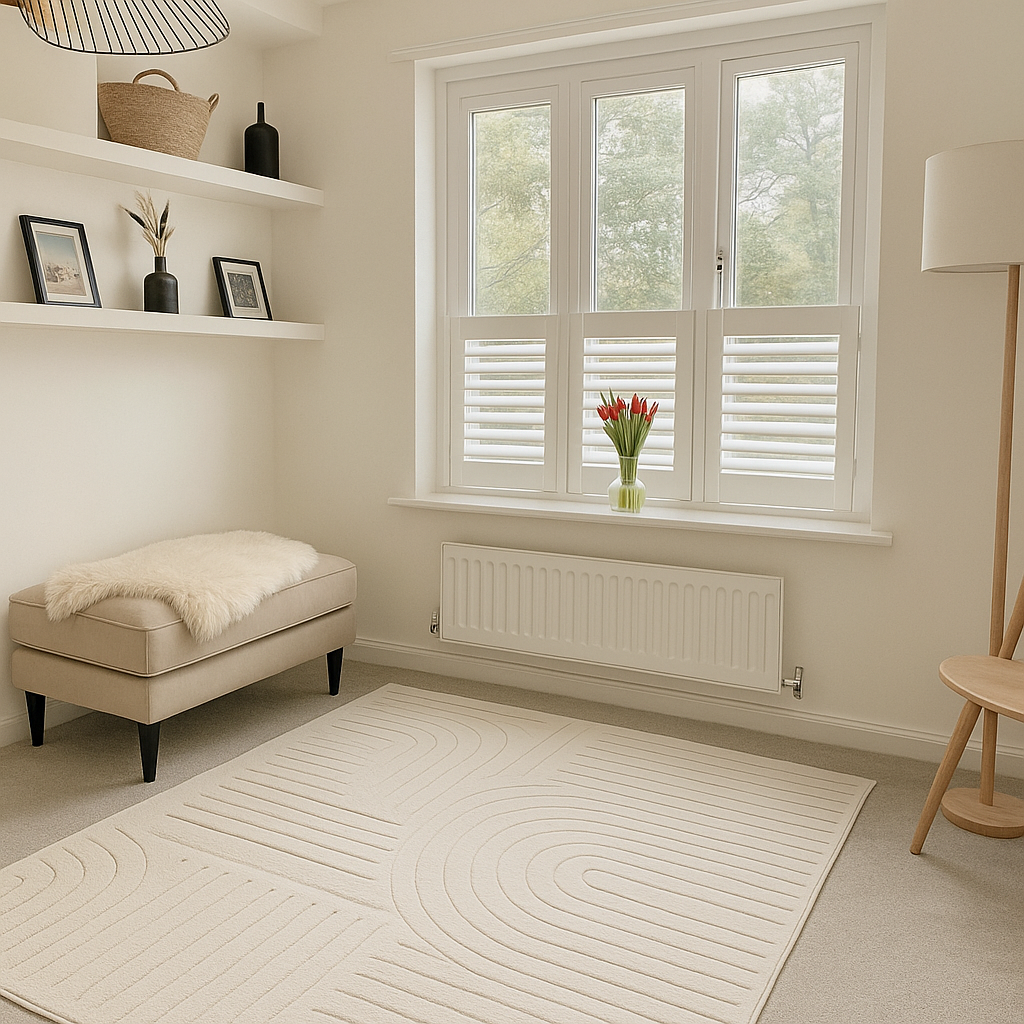
Café style shutters cover the lower part of the window only. This style allows natural light to enter from the top while maintaining privacy at eye level, making it popular for street-facing rooms.
This design features separate top and bottom panels that open independently. It offers maximum flexibility and works well in rooms where light and privacy needs change throughout the day.
Each style serves a practical purpose and can be matched to different rooms within the same home.
DIY shutters are not just decorative. They improve how a home feels and functions on a daily basis.
They help manage sunlight, reduce glare on screens, and offer adjustable airflow. This makes rooms more comfortable at different times of day and throughout the year.
Shutters also create a tidy appearance. Unlike curtains or blinds, they do not move with drafts or need regular straightening. Once installed, they stay in place and require minimal attention.
While DIY shutters are mainly chosen for everyday comfort, they can also enhance a property’s overall appeal. Many buyers see shutters as a quality feature rather than a temporary addition, especially when homeowners can Design Your Shutters to suit the style and proportions of the space.
Shutters suggest care and long-term thinking. They complement both modern interiors and traditional features, which can help a home feel more complete and well-finished.
Even for homeowners not planning to sell soon, this added sense of quality is a positive long-term benefit.
Shutters365 focuses on making DIY shutters simple and accessible. The process is designed to guide homeowners clearly from start to finish.
Key reasons homeowners choose Shutters365 include:
This approach allows homeowners to stay in control without feeling overwhelmed.
In 2026, homeowners expect more from home upgrades. Products need to be durable, practical, and easy to maintain. DIY shutters meet these expectations well.
They are designed to last, easy to clean, and adaptable to different rooms. They also align with the growing preference for considered, long-term improvements rather than quick fixes.
DIY shutters suit people who want results that look good today and continue to work well over time.
Many homeowners wonder whether DIY shutters are right for them. Common concerns usually relate to measuring, fitting, and long-term durability.
With clear instructions, quality materials, and support when needed, DIY shutters are accessible to most homeowners. The key is taking time to understand the process and following the guidance provided.
DIY shutters remain a smart home upgrade for UK homeowners in 2026. They combine practical benefits with lasting style and allow you to manage costs without lowering quality.
By choosing made-to-measure shutters and fitting them yourself, you gain control over both the process and the final result. With the right preparation, DIY shutters can deliver a clean, professional finish that enhances everyday living.
If you are looking for a window solution that balances value, function, and appearance, DIY shutters are a strong and sensible choice.
DIY shutters are made-to-measure window shutters that you measure and install yourself. Once fitted, they work the same way as professionally installed shutters, allowing control over light, airflow, and privacy.
Most homeowners find DIY shutters easier to measure and install than expected. With clear measuring guides and step-by-step instructions, installation is usually completed in a single afternoon.
Yes. DIY shutters remove costs associated with showroom visits, professional measuring, and fitting. You pay mainly for the shutters themselves, making them a more affordable premium option.
The best material depends on the room. Faux wood (PVC) works well in kitchens and bathrooms, while natural woods like Paulownia or Basswood suit living rooms and bedrooms.
DIY shutters can enhance a home’s appeal by offering a built-in, long-lasting window feature. Many buyers see shutters as a quality upgrade rather than a temporary covering.
Yes. Because DIY shutters are made to measure, they suit a wide range of UK homes, from modern flats to period properties, regardless of window size or layout.
Checkout safely with Stripe — encrypted, secure, and trusted worldwide. Pay with Visa, MasterCard, Amex, or PayPal.

info@shutters365.co.uk
Unit 82a
James Carter Road,
Bury St. Edmunds,
IP28 7DE
Our registered office is listed above. Please note this is not a showroom or returns address.
© Shutters365 Ltd ®.(Registered in England and Wales Co. No.16654353).