Cafe Style Shutters: Buying Guide, Costs & Design Tips

Cafe Style Shutters

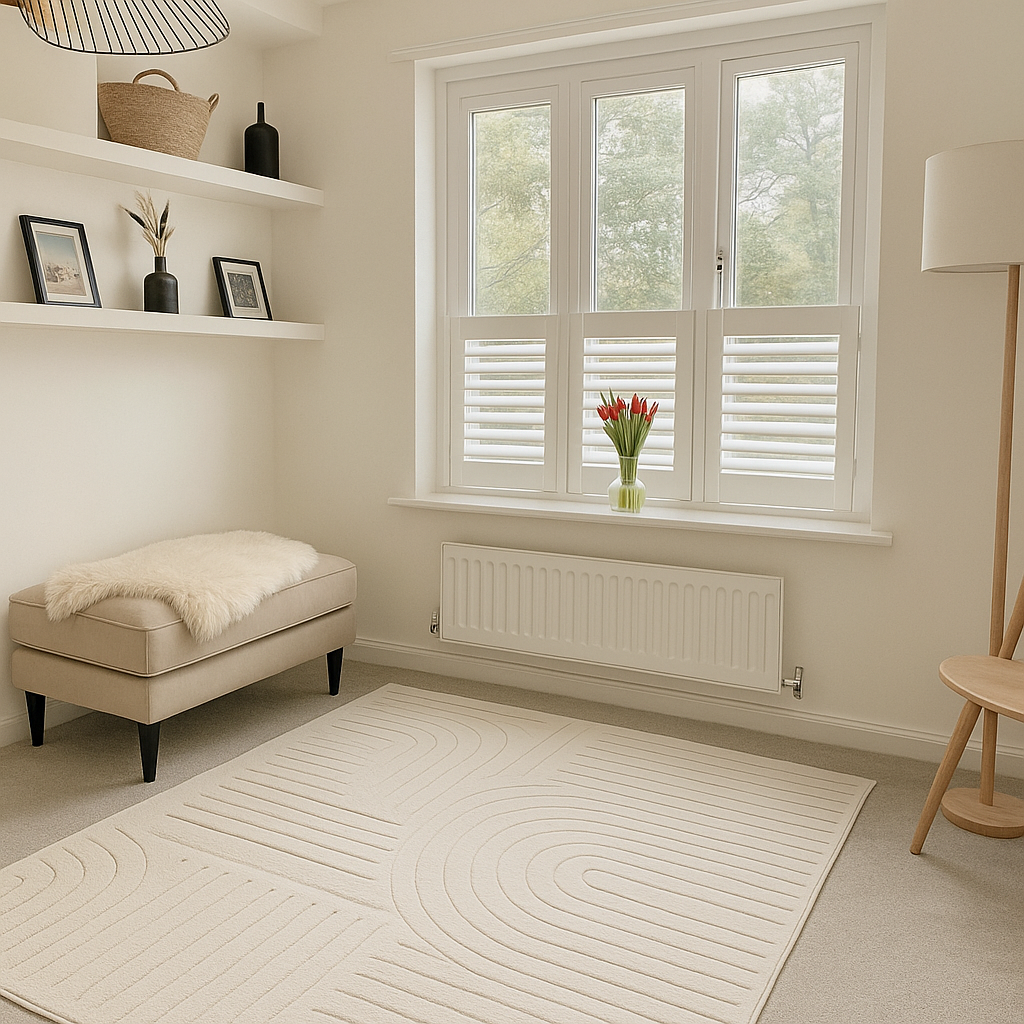
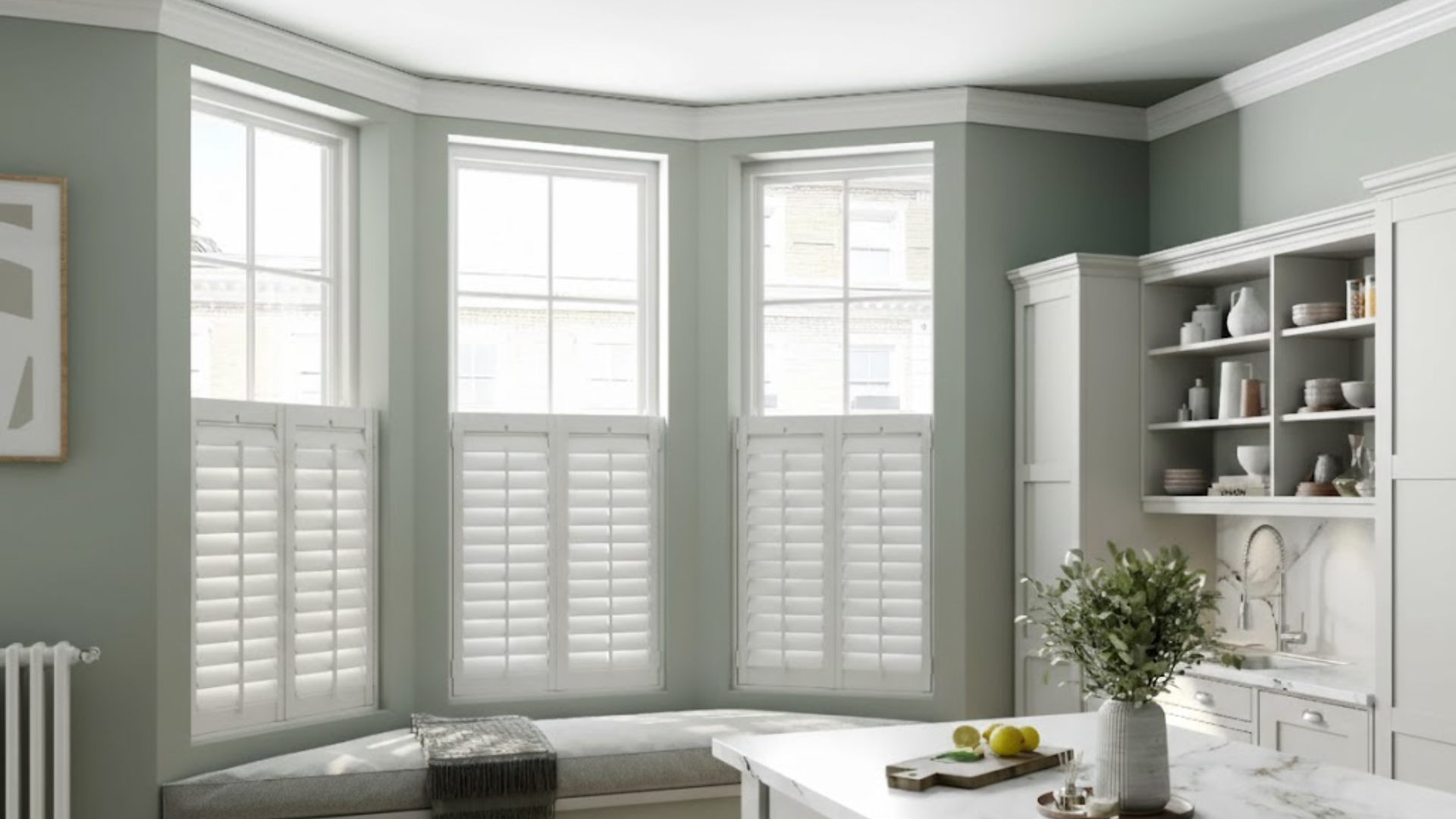
Cafe‑style shutters (also called half‑height shutters) are a popular type of plantation shutter that cover only the lower portion of a window. Originating from European cafés, this style leaves the top half of the window uncovered so sunlight can flood in, while the bottom half is closed for privacy. In practice, each café shutter panel has louvres (slats) that tilt and open just like full shutters. You can tilt the slats to control light levels, or swing the panels fully open to let in 100% light. The result is a bright, airy room with privacy at eye level – ideal for street‑facing rooms or any ground‑floor area where you want sunlight and seclusion at once.

Did you know? Café shutters work beautifully on bay windows and sash frames. They elegantly accentuate bay shapes and let stained‑glass panels or architraves shine.

Café shutters are a type of plantation shutter, which means they are made-to-measure solid panels with adjustable slats. Unlike standard blinds or curtains (e.g. off-the-shelf IKEA blinds), plantation shutters are custom-built to your exact window dimensions for a perfect fit. This bespoke quality also gives them superior insulation, noise‑dampening and durability.

Benefits of Cafe Style Shutters

  • Balanced Light & Privacy. By covering only the bottom half of the window, cafe shutters give you the best of both worlds: natural light from above and privacy at eye‑level. Simply tilt the louvres to let in soft daylight while blocking street views, or close them fully for complete privacy with only small light gaps between slats. This makes cafe shutters perfect for ground‑floor rooms, street‑facing windows, kitchens or dining areas – anywhere you want light without exposing the room.

  • Light Control & Atmosphere. Like other plantation shutters, cafe shutters offer precise light control. You can angle the slats to brighten a corner or reduce glare, or open them fully for maximum sun. Unlike curtains (“open” or “shut”), shutters let you fine-tune the light level all day. They also create a warm, inviting atmosphere: painted white shutters keep rooms fresh and bright, while natural wood finishes add rich character. For example, Shutters365 recommends lighter stains and paints for an airy feel, and deeper stains or bold colours for cozier rooms.

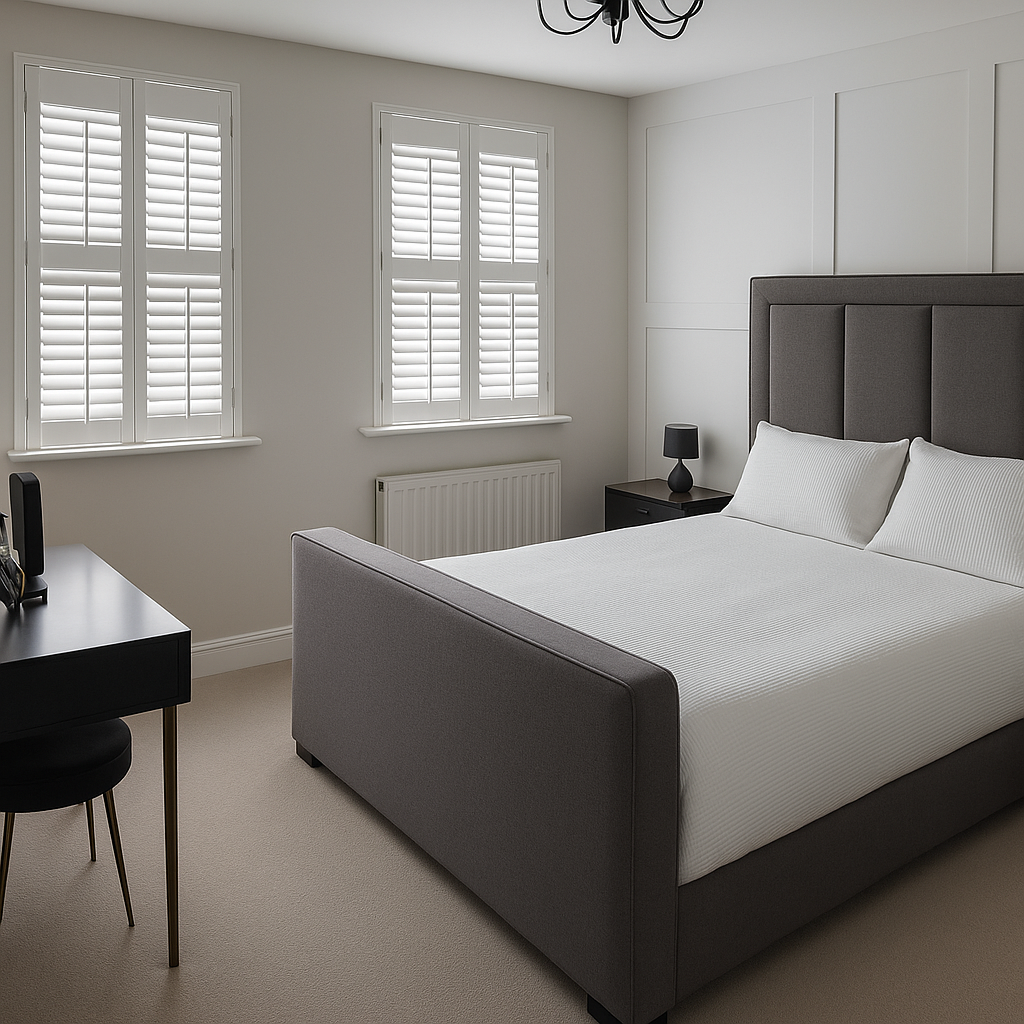
  • Privacy on Demand. Cafe shutters instantly grant privacy in street-facing or overlooked rooms. With a simple tilt or swing of the panels, you block outside eyes while still admitting light. They are ideal for bedrooms, bathrooms, or any room at ground level. As one expert notes, “who wants to feel like a goldfish in a bowl inside their own home?”. Even bay windows benefit – cafe shutters neatly cover the bottom sashes and leave the top panes open for light.

  • Insulation & Comfort. Heavy-duty shutters add thermal and acoustic insulation. When closed, the solid wood or PVC acts as an extra barrier, keeping heat in during winter and out in summer. This can lower heating costs and help rooms stay a comfortable temperature. Shutters can also soften outside noise: a fully closed shutter will muffle street sounds more effectively than blinds or curtains.

  • Durable & Low Maintenance. High‑quality cafe shutters are built to last. Real hardwood shutters won’t sag, warp or peel (unlike cheaper MDF), and most faux‑wood shutters are moisture‑resistant PVC that withstand humidity. They come with long warranties (often 5–10 years) on both materials and workmanship. Cleaning is easy – just wipe with a damp cloth or dust with a feather duster. In busy homes or kitchens, shutters stay pristine with far less effort than washing curtains or cleaning blinds.

Materials & Custom Options

Cafe shutters come in several materials to suit different needs. At Shutters365, we offer three premium materials:


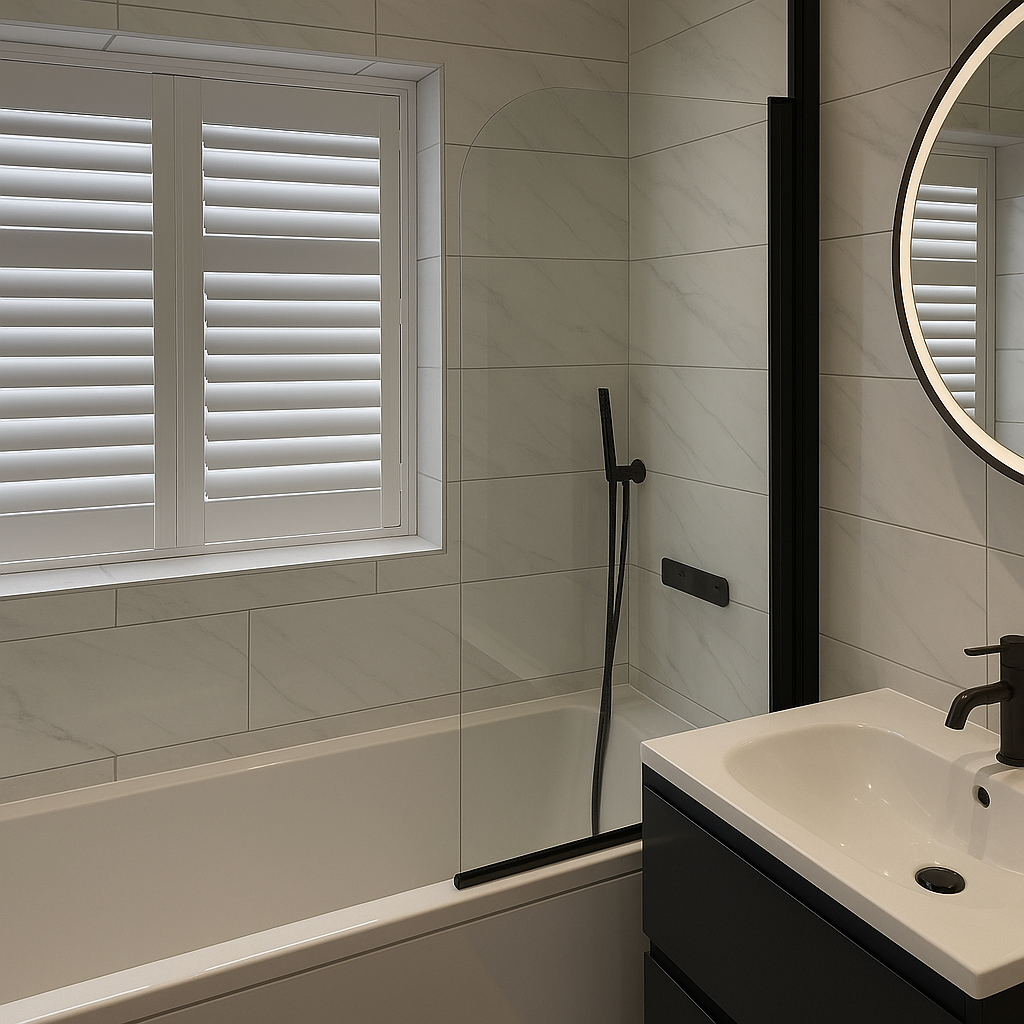
  • Faux Wood (PVC): A waterproof vinyl that is perfect for kitchens, bathrooms or any humid area. It looks like wood but won’t warp or absorb moisture. Classic white PVC shutters are crisp and easy to clean, with a 2-year guarantee.


  • Paulownia Hardwood: A lightweight, eco‑friendly timber. Paulownia shutters are strong yet lighter than many woods, making them ideal for large windows or taller panels. Paulownia has a smooth, straight grain and is often painted, giving a subtle (washed) wood effect.


  • Basswood Hardwood: A premium, dense hardwood with a fine grain. Basswood shutters are highly stable and take paint or stain beautifully, yielding a refined, high-end finish. They are our top choice when you want the richest, most luxurious look.


Each material is custom-made to your measurements and comes in many colours. Shutters365 offers 22 painted colours and 4 wood stains for the two hardwoods. You can also choose louvre (slat) size – from narrow 64 mm to wide 114 mm. Wider louvres give a sleek, modern look and admit more light; narrower louvres create a classic traditional appearance with extra privacy. For example, modern kitchens might use 89–114 mm slats in white, while heritage homes might suit 64 mm in a warm wood stain. Tilt‑rod style is also configurable: choose a visible central rod for a traditional look or a hidden rod for a clean, minimalist finish.

Materials & Starting Prices 

Material

Price (from per m²)

Description

PVC (Faux Wood)

£127

Waterproof vinyl (ideal for kitchens/baths)

Paulownia Wood

£145

Lightweight, eco‑friendly hardwood

Basswood Wood

£164

Dense, premium hardwood (high-end finish)

Prices above are starting rates; final cost depends on exact size and options. (For full details, you can customize the design of your shutters.)

Sizing and Installation Tips

Because cafe shutters only cover part of the window, measuring carefully is key. Decide the exact height you want the shutters to reach – typically you align the top of the shutter panels with the window’s horizontal sash or mid-rail for a balanced look. For example, many people set the divide at the same level as the window frame crossbar. To measure, simply measure from the window sill up to that divide point, then the width across the window. It’s often easiest to sketch your window and note the reveal depth to choose the correct frame type (L-frame or Z-frame).

Shutters365 provides free guides to measure and fit your shutters. Generally, cafe shutters are DIY-friendly. You can install the frame and then fit the panels with basic tools in a couple of hours. (Our website offers a step-by-step fitting guide.) Unlike blinds, shutters stay fixed in place, so there’s no need for cords or rails. If you need help, you can book a professional measuring or fitting service to ensure perfection.

Cafe Shutters vs Other Styles

  • Full-Height Shutters: Cover the entire window (top to bottom). These give maximum privacy and insulation, but block more light. Cafe shutters cover only half the window, so they are about half the cost and leave the upper glass open.

  • Tier-on-Tier (Half-and-Half): These have separate top and bottom panels that can move independently. They offer even more flexibility (you could close the bottom panel for privacy while leaving the top open, or vice versa). Tier-on-tier is great for bay windows or very tall windows. Cafe shutters are simpler – just one open/close height – and are often preferred in kitchens and casual spaces.

Blinds and Curtains: Traditional blinds/curtains can drop down but cannot fine-tune light or insulate as well as shutters. They also collect dust and need regular washing. Cafe shutters are more permanent but add value and style to your home.

Cost Guide

Because cafe shutters cover only half the window, they are significantly cheaper than full-height shutters. In fact, many installers note that a cafe shutter set costs roughly half the price of a comparable full-height set of the same width. Pricing depends on material, window size, finish and any special shapes. Here are some ballpark figures from UK suppliers:

  • Shutters365: PVC shutters from £127/m², Paulownia from £145/m², Basswood from £164/m² (inclusive of making and standard installation). A small cafe shutter (e.g. 1 m²) would thus start around £127.

  • ShutterStore (shutters.co.uk): Offers cafe style shutters from about £45 (wood) and £63 (faux) per standard panel (after discounts).

Other UK fitters: A rough market range is £150–£600 for small to medium windows and £600–£1,000+ for large windows. For example, Excell Blinds quotes £150–£600 for a small cafe shutter and £600–£1,000 for a large one. (Patio doors or very large bays with cafe panels can be up to £1,500.)

Typical Cafe Style Shutter Costs in the UK

Window Size / Type

Typical Cafe Style Shutter Cost (UK)

Small window (e.g. kitchen or bathroom sash)

£150 – £600

Medium to large window (living room or bay window)

£600 – £1,000

Patio or sliding door (half-height shutters)

£500 – £1,500

Design Tips & Style Ideas

  • Colour & Finish: White shutters are timeless and brighten any room. For a fresh, airy feel in kitchens or morning rooms, choose a bright white or light grey. In dining rooms, studies or cozy nooks, try a warm wood stain or a bold colour to add character. Our guides suggest lighter finishes to maximize light in smaller rooms, and deeper, richer finishes to create warmth in larger or dimmer spaces. Accent colours (e.g. contrast a dark hinge or rod) can make the shutters a feature.

  • Louvre Size: As noted, wider slats (89–114 mm) look sleek and let in maximum light. Narrow slats (64–76 mm) give a more traditional, intimate look with finer light control. For a modern kitchen or open plan space, wider louvres are very on-trend; for a period home, slim louvres complement classic lines.

  • Tilt Rod Style: You can choose how visible you want the tilt mechanism to be. A classic central rod is traditional and easy to use. A clearview or hidden rod is nearly invisible for a minimalist appearance. For example, hidden tilt rods give a very clean, contemporary look that works well in modern interiors. Central rods in a contrasting finish (like black on white) can become a stylish detail in an industrial or farmhouse aesthetic.

  • Pair with Curtains or Blinds: Cafe shutters can complement other window dressings. For instance, you might install a simple blind or curtain rod above the shutters. This way you get the light/privacy benefits of both: leave the curtains open and the bottom shutter closed for everyday use, and draw the curtains for full blackout when needed. Shutters365 explicitly notes you can “pair [them] with curtains…for even more privacy – and a look that screams elegance.”.

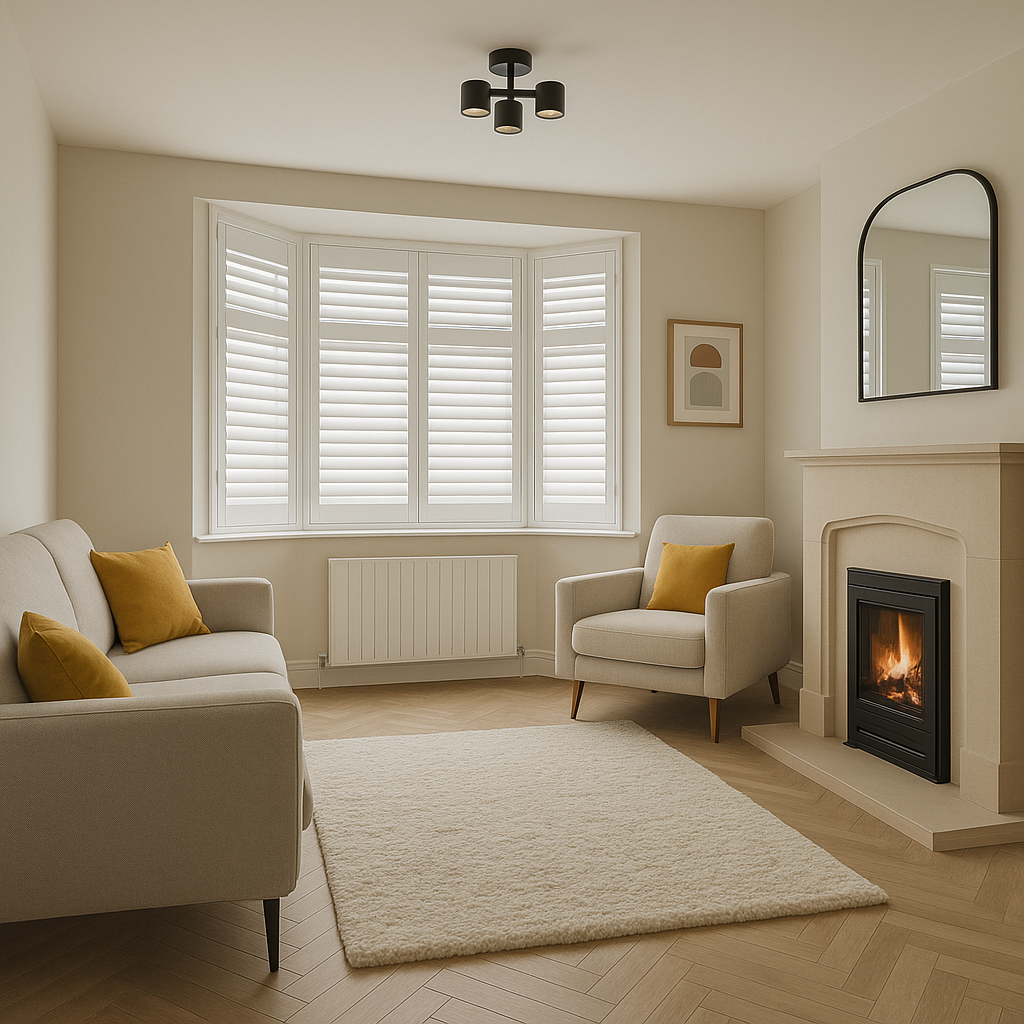
  • Bay Windows: Cafe shutters are especially charming in bay windows. By letting the center be shuttered and the angled sides open (or vice versa), you highlight the window’s shape. Our designers recommend aligning the shutter heights across all panels in the bay for a unified look. As one UK guide notes, cafe shutters “look especially elegant” with bay windows and make a stylish, practical solution for tricky shapes. In a bay, you might also consider a tier-on-tier configuration on the sides for extra flexibility, but simple cafe panels on all faces are very popular.

  • Frame Options: Cafe shutters usually require a standard L‑frame (4-sided) or Z‑frame. If your windows have deep sills, a sill‑cut frame ensures the bottom frame sits flush. Generally, for inside recess mount, choose an L‑frame for a clean interior look; use a Z‑frame if the reveal is uneven or you want a decorative trim. (Our free measuring guide explains these choices in detail.)

For inspiration, browse examples of cafe shutters in our gallery. We often see kitchens with crisp white cafe shutters that let sunlight flood in from above, or living rooms with pale grey shutters that lend a subtle farmhouse look. In street‑facing rooms, even a dark‑stained shutter can feel light and open because only the bottom half is closed.

Cafe Shutters vs IKEA/Curtains

Some DIY shutters users wonder if they can get a similar look from flat-pack stores. IKEA, for example, sells cafe‑style curtains (sash curtains) and blinds, but not real shutter panels. Curtains or cafe blinds from high street stores can mimic the half-height look, but they are usually fabric and don’t offer the sturdy privacy or tilt-control of shutters. If you want authentic cafe‑style window coverings, you’ll need custom shutters or specialist blinds. In short, IKEA has no substitute for a quality half-height plantation shutter.

In Summary

Cafe-style (half-height) shutters are a chic, functional choice if you want privacy on the bottom half of a window while keeping the top open for light. They work especially well in kitchens, living rooms, bay windows and street‑level spaces. You can customize them in waterproof PVC or two types of wood (Paulownia or Basswood), choose from a range of colours and louvre sizes, and even add matching curtains or blinds for extra flexibility. Because they cover less area, café shutters usually cost significantly less than full-height shutters (often about half price). Shutters365 offers café shutters starting from £127/m² (PVC), and you can get an instant quote on our site after entering your window size.


|For more information or to design your own cafe shutters, visit our Design Your Shutters page or browse our Gallery for inspiration. With proper measuring and these tips in mind, you can achieve a beautifully balanced look that floods your room with light while keeping the view in your control.